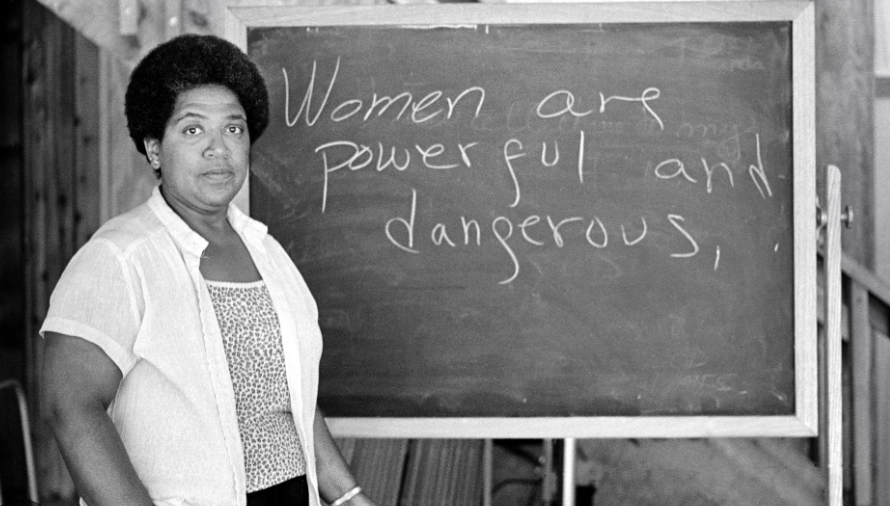
An ode to all the women, past, present, and future who listen to their deepest knowing and follow it with all they’ve got.
Read moreAn Unboundaried Life: For Steph
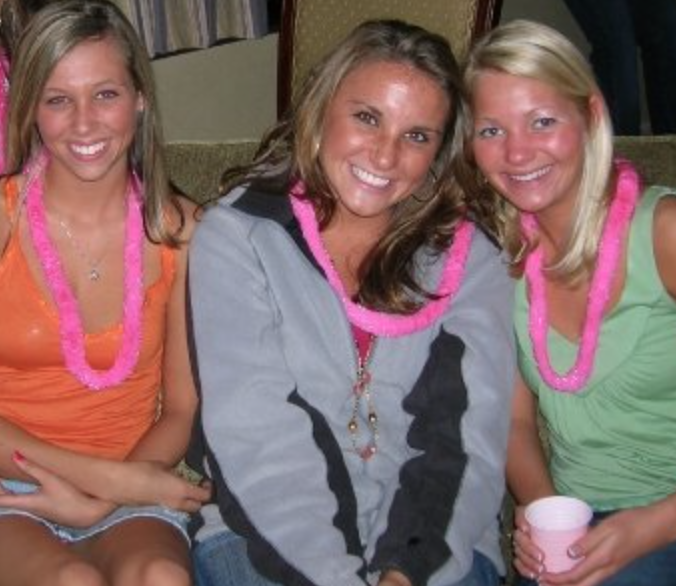
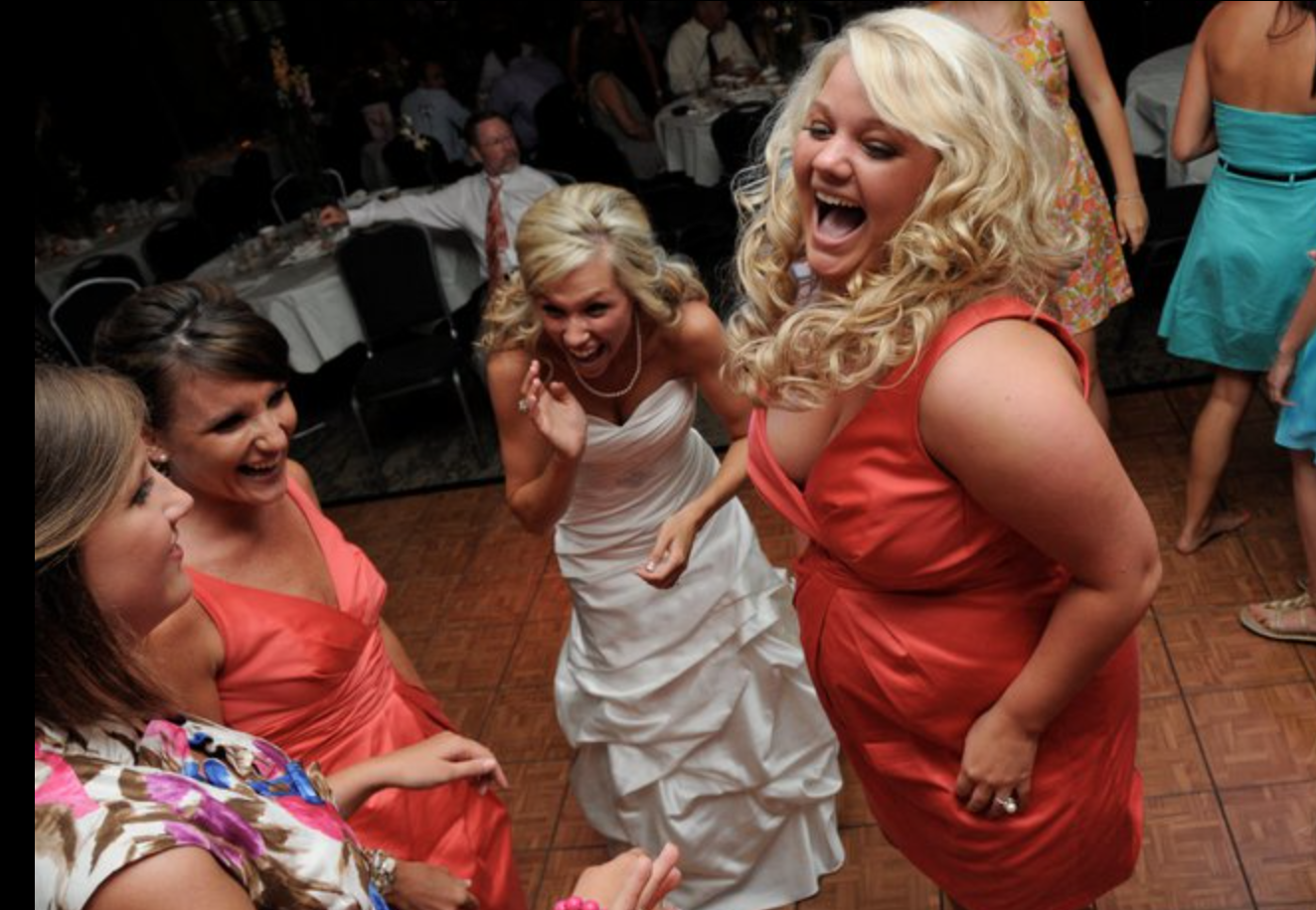
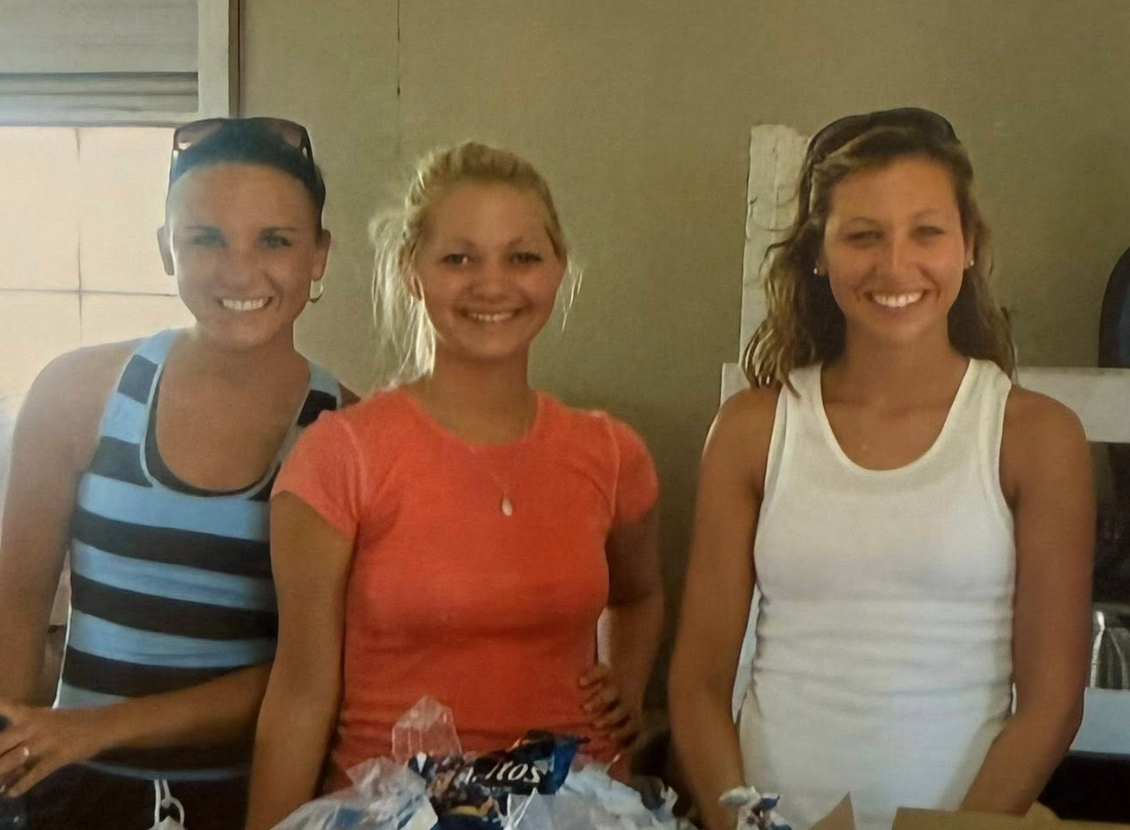
There should be a cosmic law in place that prevents the death of a young mother. If I were God, this would be so.
But I am not God. Instead I am a humble passenger alongside the driver of fate, destiny, karma, whatever you want to call it. My life, all our lives, are in the hands of God. We simply do not know how much time we will have in our incarnated bodies.
There are certain deaths though, whether literal of metaphorical that have the power to knock the breath straight out of your lungs. They hold the power to reorient your entire life. Some people, some relationships, some idealized notions about how life is supposed to go are sometimes just ripped from our hands, taken too soon. The harshness of the taking leaves us in a spiral of grief and confusion, shaking our literal and metaphorical fists at that invisible God who is known to both give and take away.
2025 has been a year of immense personal loss. I come to this place, this metaphorical pen and paper place, to give my offering of gratitude and reverence to the God of death. I am learning again to bow in reverence to her unexpected and unwanted arrivals. I am learning to welcome her, instead of resist her. I vow to say thank you when she arrives alongside my very real and feral: but how the fuck could you?
Both utterances are holy. Both are prayers. Both are necessary.
Writing has always been for me a way of working with death instead of against it. Finding the beauty of her arrival, getting to move with her instead of against her. I think so many of us find we must put pen to paper when death comes, it is the practice of remembrance, of containment, of recalling. We offer back to that uncontrollable force of giving and taking both our gratitude and our rage.
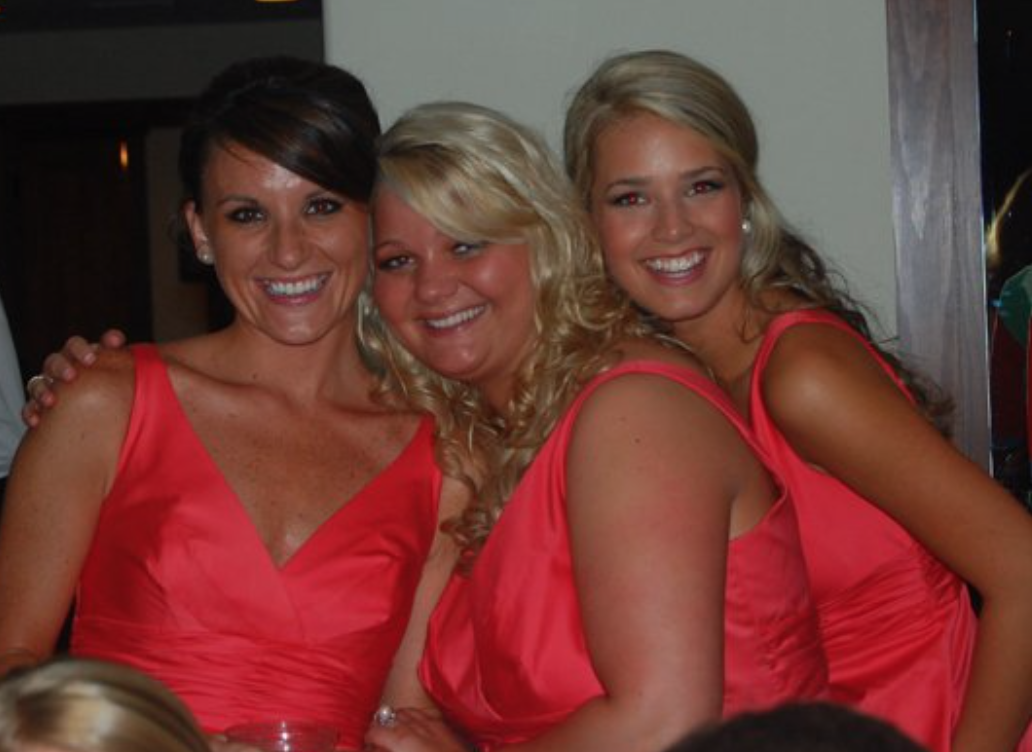
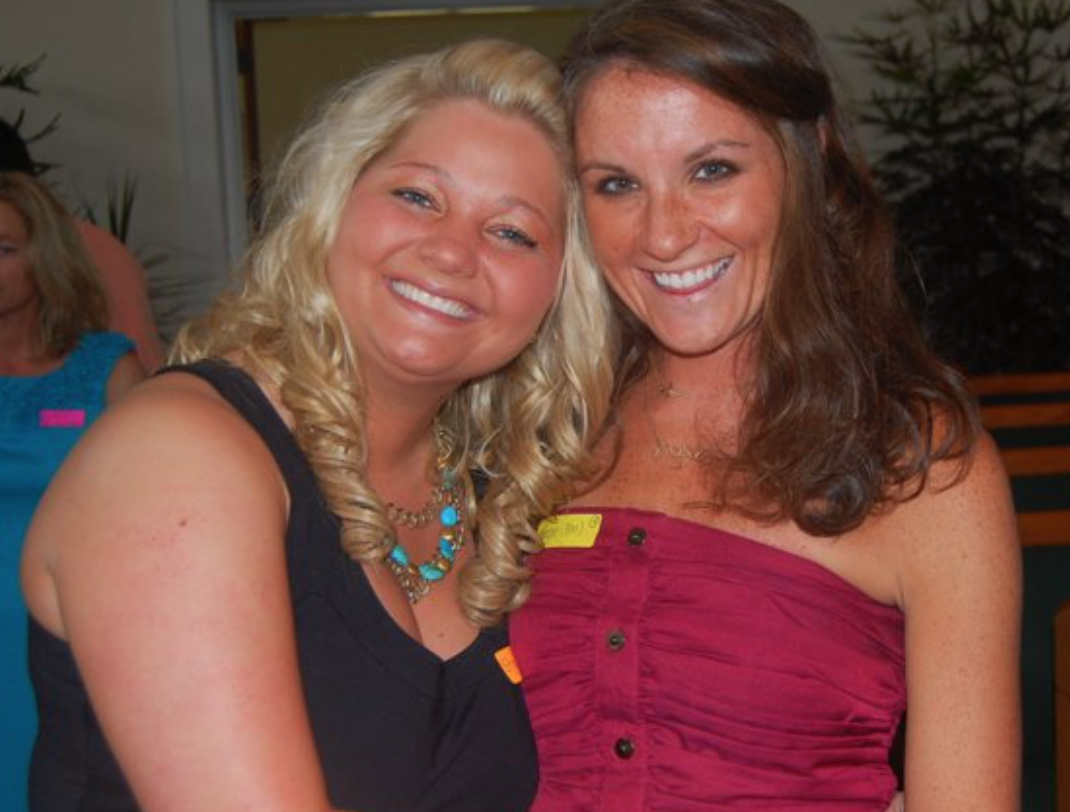
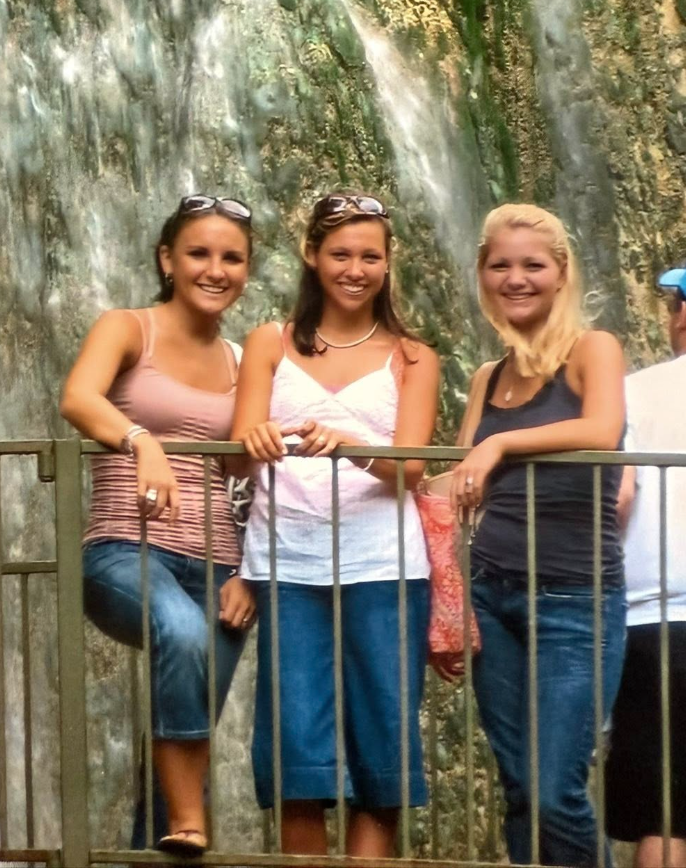
This is one of those offerings. This is for Steph. Whose death has all our hearts howling from our depths.
I first met Steph in high school. My life was a mess. I was a mess. And Steph was one of those people who could care less about your mess. Her heart was huge. Her kindness unboundaried. She was the kind of friend that knew how to hold the unwell, the unkept, the untamed parts of you. None of these aspects scared her. She never judged. She just held space for these places and parts of people. Tenderly.
As time went on, Steph grew in this holy gifting. Professionally and personally, she was chosen to walk alongside countless women on their wedding day, yes to help them look and feel beautiful because of her creative skillsets, but more than that, she was just one of those people you knew you wanted in your corner in these kinds of threshold moments. Steph was a priest of sorts, she held the post of welcoming women and men into her creative space as they found themselves being welcomed by a woman who could hold their stuff. As someone who has spent a long time around pastors and preachers and pulpits, I know without a doubt that Steph was in the purest sense both pastor and priest.
She brought the presence of the kind of loving, compassionate God that doesn’t give two shits about “good” living. She was there to talk about the real. The messy. The broken. The most holiest of places where God is actually at work in our lives. Steph brought this kind of God, this kind of presence, to those she encountered.
There is this beautiful and powerful metaphor from the poet Rilke about how most people orient their lives around the brightness of a fire, they need and depend on the light to illuminate their lives. But Rilke flips this metaphor on its head, saying the real saints in this world are not those that live a light-filled, perfect life but rather they are those who orient their lives around the darkness. These souls walk into the unlit abyss bravely and equally terrified. They do not depend on the small point of contained illumination of the fire but rather they build a home in the vastness of the darkness. The people who choose to live like this know God in a way that most pastors, preachers, and priests are too afraid to ever draw close to.
But Steph lived her life in this way. She knew what it was like to live with heart wrenching loss. She knew depression. She was unafraid of the darkness. She lived a life that was not addicted or chained to false perimeters of “goodness” illuminated by the smallness of light. She lived according to the higher cosmic laws of the darkness. And in that way of living she brought the realness of God with her wherever she went.
Steph was the first person I ever got obnoxiously drunk with. I don’t think I have ever laughed or puked as much in one night. She took care of me. She held me before I had learned to hold myself. In that moment, and in other countless moments. Her courageous acceptance of her own inner darkness opened me to greeting the wild places within myself. Again and again. Now at almost 40, I can think of no other truer act of friendship.
Steph was one of the strongest and kindest people I knew. And I go back again and again to that idea that she lived her life unboundaried and unafraid of the dark. Moving past the barricades of limits and judgments so she could move towards others in grace and acceptance, always reminding those in front of her that they could come home to the deepest part of themselves.
She will remain in my memory and my heart as one of the bravest souls I know. She said “yes” to being a mother, a wife, in a profound way. She lived and embodied steadfast love. Her “yes” to holding these posts in her life was an inspiration.
I found out about Steph’s passing while waiting on a flight back home. Something primal in my soul recognized the profoundness of her passing. Instinctively I went to the bar, pulled out pen and paper, ordered a drink and prayed that prayer of thank you and how the fuck could you take her so soon?
Today, more than ever, I bow in reverence to the women, to the saints in this world who vow to keep going into the darkness so others can find their way home. I bow in reverence for getting to know Steph. To love her. To be loved by her. All the while shaking my fist at God, for the rhythms of the giving and the taking…especially of Steph.
Steph. You made a home in the darkness so others could find their way back home. You were in the truest sense a saint. A priest. A pastor. You brought God to the people, your people. We were all changed by your living. Your loving. We all bow in reverence to your life well lived.
Some Thoughts on Life, Leaving and Loving the Church, Jesus and Janis Joplin
Hello!
If you are new to this space or have been following along for a while, welcome. It is so good to have you here. This is my little “home” on the internet and my desire is to welcome you with arms wide open.
I write from a deep place. That’s probably the most efficient way for me to describe who I am and what makes me tick. As Janis Joplin used to stay about her own voice and artistic style, she sang to illuminate the “underneath” of things. There is a rawness to this, a fiery risk to this, but I believe in the power of this perspective and tend to use her words as a guide in my own artistic pursuits.
Outside of writing, I am an artist, a wife, a mom, and also an aspiring priest. I left linear life a number of years ago, hopped off the hamster wheel of chasing and producing, and vowed to live my life according to the song playing in my soul. The irony of course is I traded one hamster wheel for another and I will probably spend the rest of my life trying to stay off that damn wheel. In other words, I have lived through one hell of an existential crisis. It has taken me a long time and many false starts to accept that I am to walk this path and walk it slowly.
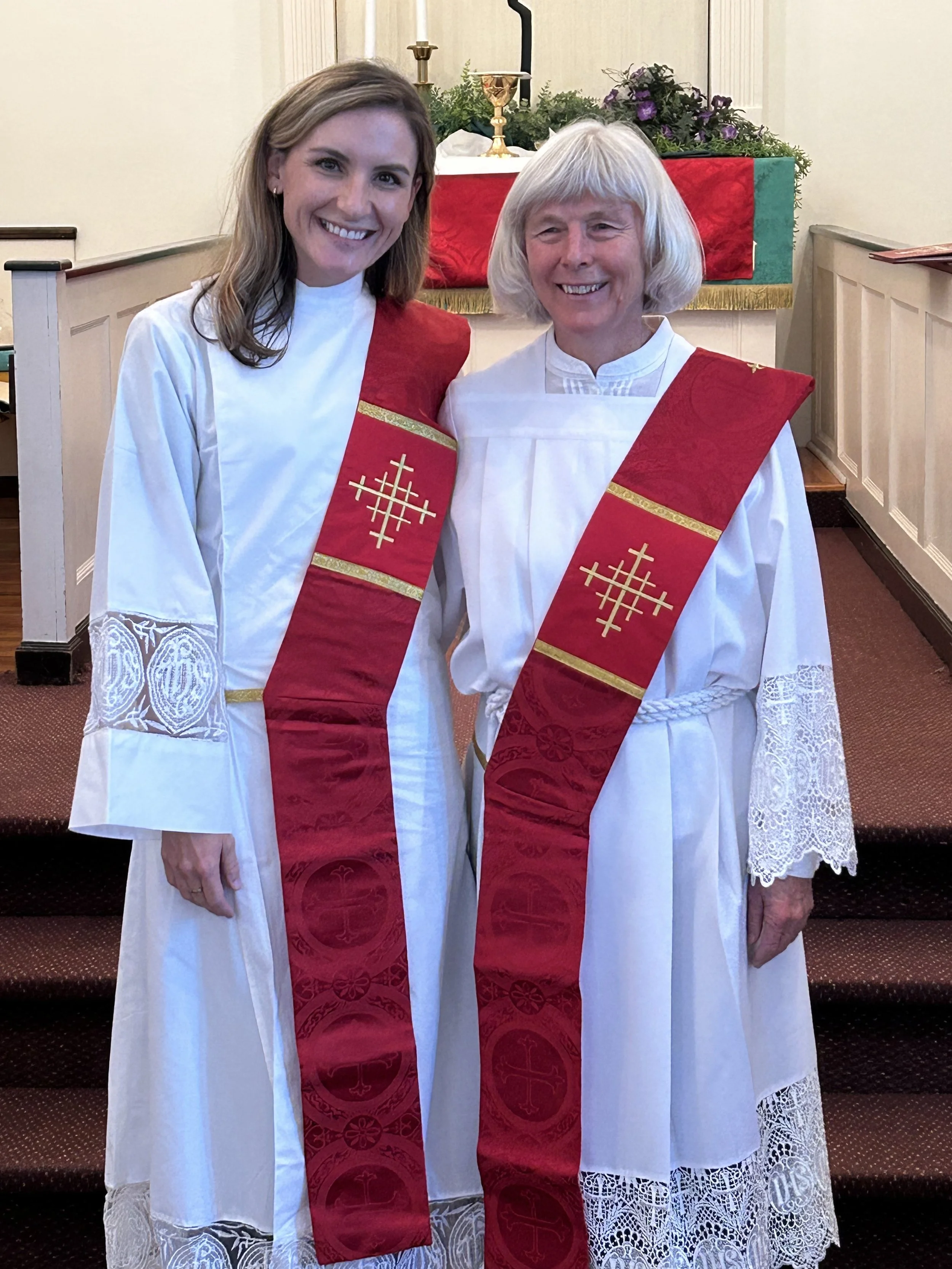
I was ordained as a deacon with Cynthia, a wise woman in her 70’s who feels called to start a church. Talk about a wild and beautiful thing.
My favorite drink is a strong margarita, I use many four letter words, and I do not go to church anymore. I most often encounter the Gospel these days through the arts, through the prophets and the mystics, those brave souls that left the boundaries of an institution and vowed to follow Spirit. I still believe with all my heart in the essence of that other kind of church, the one where two or three are gathered, talking about the deep places of life: pain, beauty, God, humanity.
Some of the hardest work I have learned to do is hold complexity and nuance when it comes to the paradox the institutional Church is. She has healed me and broken my heart more times than I can count. I love her enough to hold her tenderly, to see her with clear eyes, and I have given most of my adult life to helping her become a more loving and honest presence in this world.
I have no plan on leaving my arm’s distant love of her anytime soon. This kind of long distance relationship with the Church has allowed me to see God in so many places and people I never would have been able to see otherwise, including myself. It also allows me to remain rooted in an ancient tradition which feeds and stabilizes my wild soul. I love being in this strange, unconventional place. But that love has come with much time, heartache, surrender, and wrestling.
I still believe as humans we need containers for God, grief, and the wild reality that comes with living in this broken and beautiful world. On the best days, the Church and organized religion offer us those containers for these lived realities. Church points us to our soul’s need for ritual; those ancient communal practices that mark the thresholds of time and transitions: Life, death, resurrection. Church reminds us how vital it is to both celebrate and grieve communally, shoulder to shoulder. This is what keeps me walking toward the priesthood. But there’s a lot of work that still needs to be done within these places and practices to make them safe for all people. I am committed to doing that work.
In 2020, after nearly a decade of trying to find my own place as a woman working within the institutional church, I went back to school to obtain my Masters of Divinity. I graduated in May 2023 and suffice to say it was one of the most challenging processes I have ever given myself to. I knew as a woman, wanting to have a voice in this world, I needed a few letters by my name.
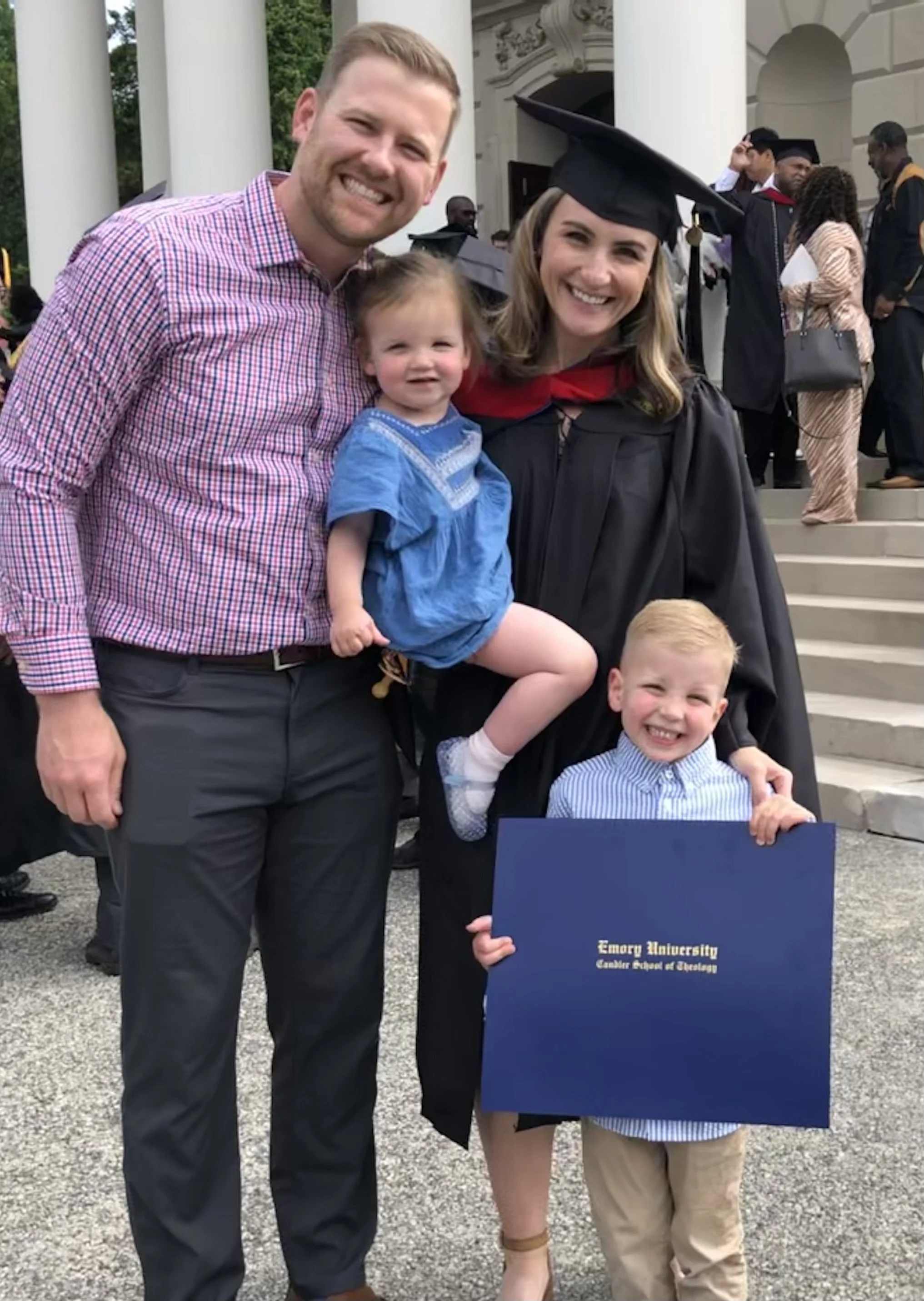
I suppose what I want you to know is I have done my homework when it comes to using both my head and my heart. I have surrendered to walking and living the journey of a spiritual path. I have gone to the root system of things, and going back to Janis, I believe Christianity, especially this milieu’s version of Christianity, needs more voices from the margins, especially feminine voices from the margins, writing to illuminate the underneath of things, all in the name of Love. This is my aim.
I’ve evolved a lot over the years in regard to my beliefs, but, the story of Jesus and the mystery of God, are two pieces my heart will never let go of. I will always believe in Spirit, in the life force that moves us towards those invisible realities that make the world go round: Love, mercy, justice, faith, forgiveness, grace, joy, peace, patience, tenderness, steadfastness. I still believe these things can change you, transform you to your core, if you allow them to.
So welcome, I hope you stay a while. And I hope, in some small way, this place may feel like the truest essence of church.
-M
Seeing, Naming, Living, Allowing, Embodying: Beauty
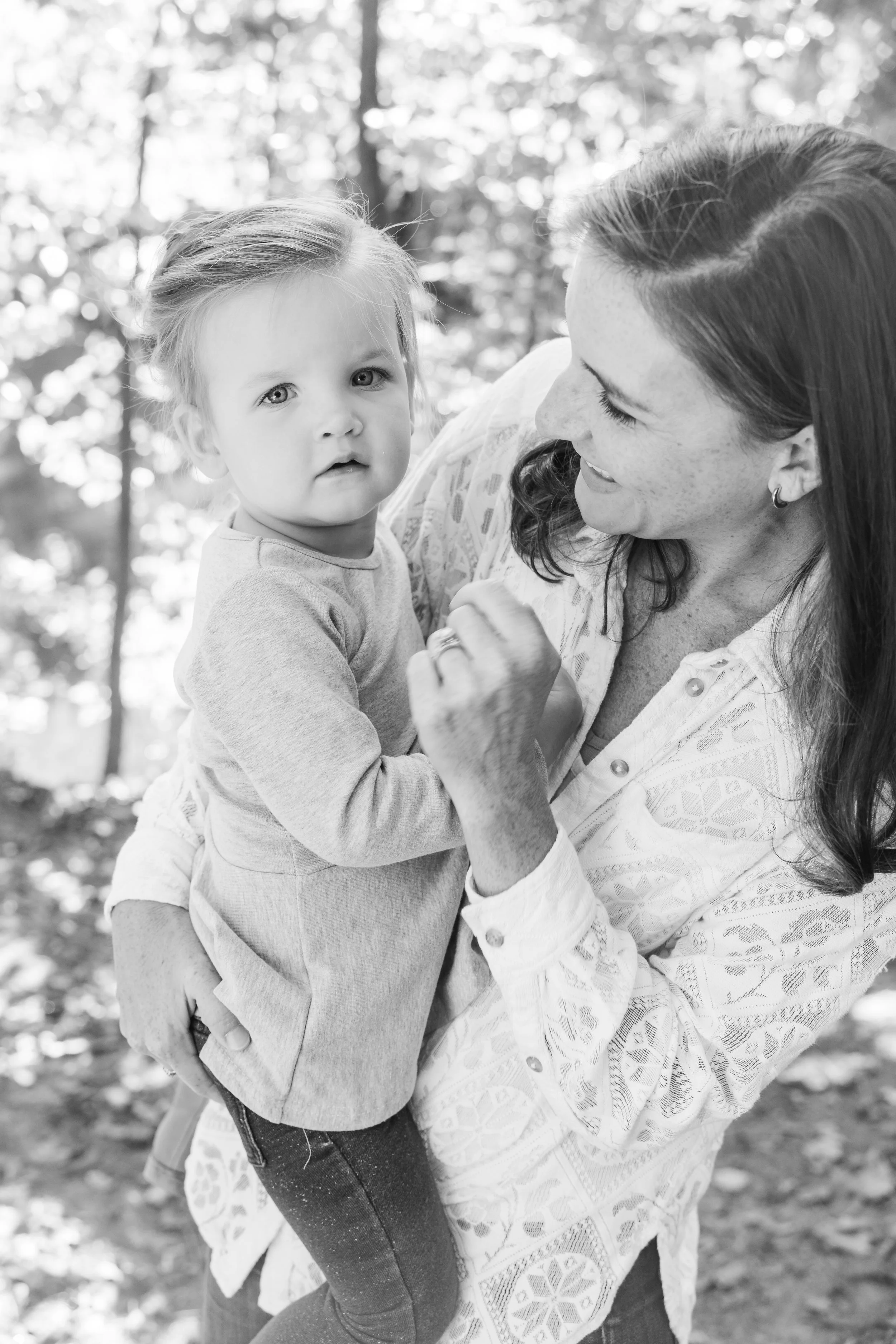
I remember as a young girl watching my grandmother's skin care routine.
I wanted her skin. It was perfect in my eyes. Soft, tender, with deep lines that had witnessed her love affair with all things warm: the sun, the outdoors, exposure to the light, and to what it means to live and love and let be.
My eyes coveted the story my grandmother's skin told. I wanted those lines, I wanted the softness of her skin.
I'd watch her put on her foundation, lightly covering her sunkissed cheeks and I ached to one day have that kind of skin.
I've thought about those days as of late, especially as my own skin is starting to show and tell its own story.
The past three years have accentuated the story my face, my skin has lived. And there is a deep and strong pull within me to want to silence the continuation of the story that is unfolding based on my facial lines.
I think of one particular moment from this year, after a season of intense loss, looking in the mirror and desperately wanting to erase these deep lines across my skin.
Age, time, the cost that comes with living in this beautiful and heart breaking world was bearing down on me.
My forehead lines had grown deeper, new lines seemed to appear overnight. They reminded me harshly and visibly of the weight of time leaving its mark on my body.
Everything in me wanted to pick up the phone and schedule that consultation.
Can you make it stop? I wanted to ask. Can you make these lines of time disappear?
And beneath all that, an even deeper cry: Am I still beautiful with all these lines of time leaving their testimony on my face?
Can you see beyond them? Do you see the kind of beauty that lives timelessly in one’s depths? She's there, isn't she, the essence of my beauty can still be witnessed even amid, and among all these lines?
My existential beauty questions were an invitation from my own soul to remember these lines as a divine mark of love; each line representing a joy or a pain I have lived through. Mistakes I weathered. A tragedy I embraced. A dysfunctional thought pattern I lived into for too long. The grief of a failed relationship. A deep laugh or line of thought I refused to push away. An ugly cry I decided to welcome.
Our bodies were meant to hold these lines. Our faces, meant to be canvases displaying the work of art that time and living ask us to bare.
These lines are a beautiful melody of existence, etched over and upon our bodies.
——-
*I want the tone of my words to be tender, but I cannot fail to mention this, clearly: There is a whole system, an empire system, designed by a certain kind of power structure that has a root system that is as old as time. This empire system knows how to take what God deemed “good” in the beginning and contort it into something evil. It is a system that has distorted the meaning of imago dei (the truth that we all are created in the image of God) by the way it has created systemic boxes of exclusion, giving certain groups the power to control narratives over what bodies are in fact beautiful. And it is evil. Think power and principalities evil. And it is a system that is not, in any way, for you or your body. Never has been. Never will be. Do not be blinded by its subtleties and all its forms. The whole arc of the Gospel story, the God story, is about the call to love people beyond any kind of empire constructed boxes or definitions. It is a love story about being liberated from such empire structures. By the God of Love. The Creator of beauty. Please be awake and please be careful.*
——-
I think of the healing gift I have received through the love of a man who has always been able to see through and beyond the dominant narratives of beauty, both internally and externally. I think about how being loved in this way, for the essence of who I am, the good and the bad, has healed a deep dysfunction I have long held towards and within myself. This love has taught me how to be at peace within my own skin, to be at home in my own body. His love shows me how to have grace towards those ever deepening lines and imperfections I want to erase. He has taught me, in his own way, how to cherish the unedited beauty of who I am.
And this kind of love makes me think about how I will live in front of my son. A boy, soon to be man, who will feel the weight of temptation to define beauty by a kind of harsh and toxic cultural narrative. Can I live another path for him? Can I model a different way, a way of being grounded in my own skin, allowing his pure eyes to behold my unedited lines?
Will this small act of resistance make any difference in him, in the way I hope to raise him, to be a man that sees into the depths rather than the edited surface of things? Will he be the kind of man that can look at any human and see their beauty, their deepest beauty, in all its raw form and complexity?
Can I teach him how to behold beauty in a way that pushes against that strong pull, those empire systems, that objectify women, people, based on appearances, on size, on skin?
God, I hope so.
God, I pray so.
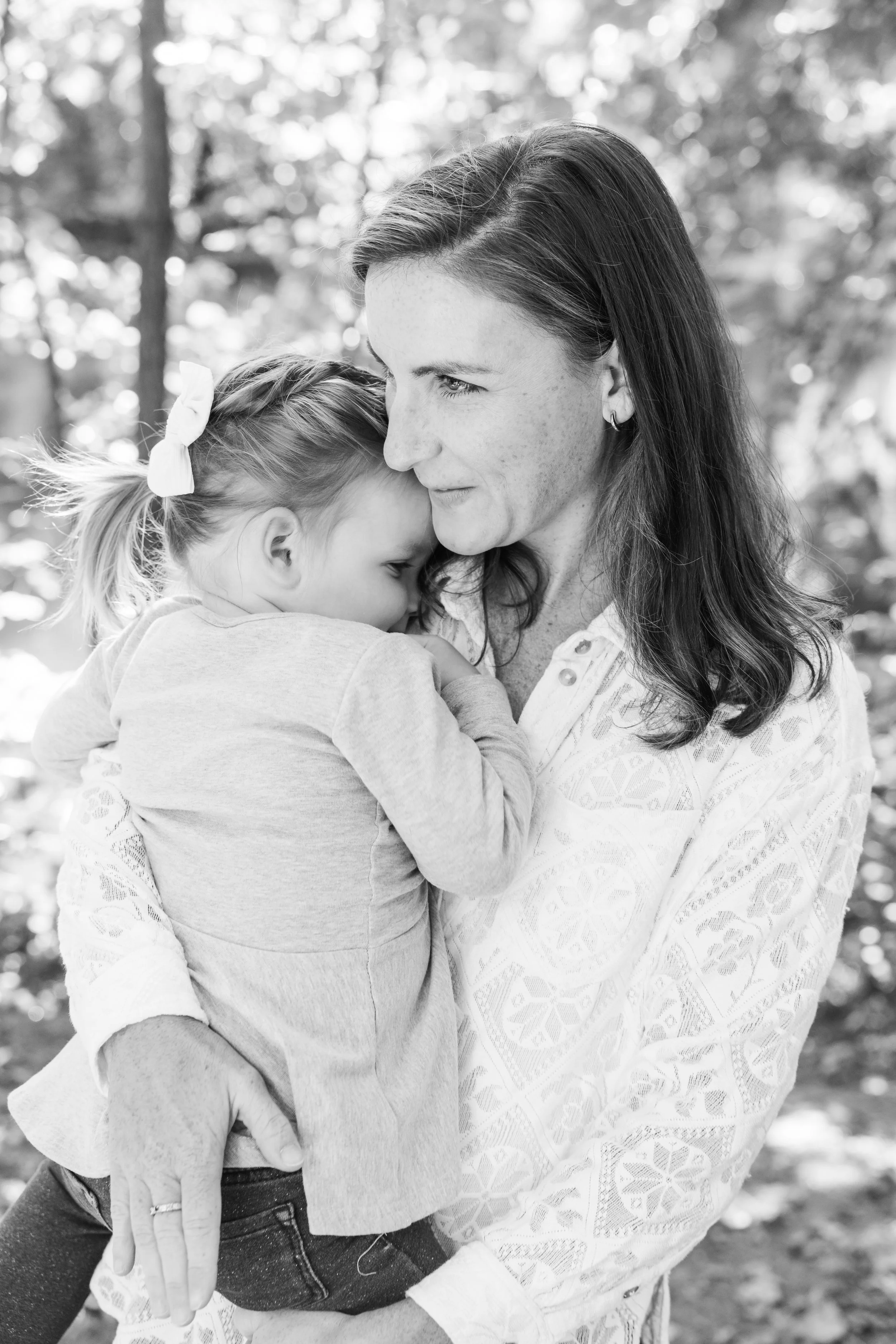
There are moments when my son’s blue eyes sink deep into mine, and I realize the beauty of what he sees: me, the essence of me. The God in him catches a glimpse of the God in me and all my soul can sing is: My eyes have seen the glory of the Lord.
This child of mine, with his pure seeing, has healed me.
I know this in my bones.
And I think about what I will model for my daughter, a fierce and tender spirit who looks to me, implicitly, to show her what it means to hold beauty in one’s depths. Most days I wonder if I’m up to the task. Can I hold this sacred space? Can I teach of another way: one that does not rely on silencing the testimony of living in one’s skin? One that refuses to succumb to the smallness of an empire that seeks to lull its adherents to sleep: Silently. Invisibly. One fine line at a time.
Can I teach her, with the evidence of embodying my own skin, what it means to consciously resist the dominate pull of cultural norms, those empire systems, that have constructed false definitions of beauty? Can I model for her what it means to speak truth to a certain and particular kind of power structure by the way she actively lives in her own skin? Can her eyes learn to behold the God-given beauty of those who look, or think, or believe nothing like she does?
Can I show her another way, one outside the constructs of narratives that will forever tell her beauty lives solely confined to manmade, empire systems that only deal in harsh and exclusionary lines of interpretation?
Can I tenderly hold her own skin, cherishing its uniqueness, its softness, the beautiful canvas that it is, and remind her with all of my unspoken fervor, all of my focused lines, to let herself be. And may she let others be, too.
May she be exactly as her skins longs for her to be: Free. Soft. Real. Open.
Unedited and beautiful.
God, I hope so.
God, I pray so.
I think back to that young girl, beholding her grandmother's skin. The one who noticed each tender line of time, marking an ancient path of living, loving, and loss. She was a matriarch of strength, unafraid of her own unedited reflection. A lover of all things warm. A survivor of deep love and deep loss. And it showed. She never stopped it. Thanks be to God, she always let it show.
This is the essence of beauty, I remind myself. Full, in the flesh, imperfect, stunningly embodied, ever unfolding beauty, it lives in us all. Always has. Always will.
**It feels a bit tone deaf of me to write something on beauty amid all the pain our world is holding this week. And yet, what I am learning with time is how powerful it can be to call out particular beauty; to see it, to name it, as best we can, even among and alongside unthinkable pain. I think of Mary Oliver’s wise declaration: “Pay attention. Be astonished. Tell about it.”
When I was in the fifth grade I got the chance to go to Israel. I was young, so young, but even then, I realized it was a profound experience. Our guide for our time there was a Palestinian man. He was kind. Tender. So warm. The God in me, saw the God in him, it was impossible not to see it in him. Early on in our tour we were at a holy sight, and we heard yelling directed our way, his way. I couldn’t understand the language of what was being said, but my soul knew, instantly, this dear friend, our beloved guide was under attack. Rather than violently entering into an exchange with this group, he moved on. He invited us into his home, he invited us to meet his family. He told us stories of war and hate and unthinkable ancient violence that has permeated the area for far too long. Intellectually, I struggled to hold this history, but intuitively, soulfully, I just remember thinking of this man’s beauty. His God given essence, shining through, speaking and showing us all what embodied Love, embodied Gospel, looks like in such an incredibly broken and nuanced world.
May our “telling about it,” those moments of beholding beauty in all its forms, be the small act of resistance in the name of Love that moves us all toward one another. May our eyes behold the beauty of the other, may the God in us always look for the God in the other.
One telling, one gaze at a time. I still believe this is what heals.
Lord in your mercy, hear this prayer.
Sinead: Prophet, Priest, Paradox
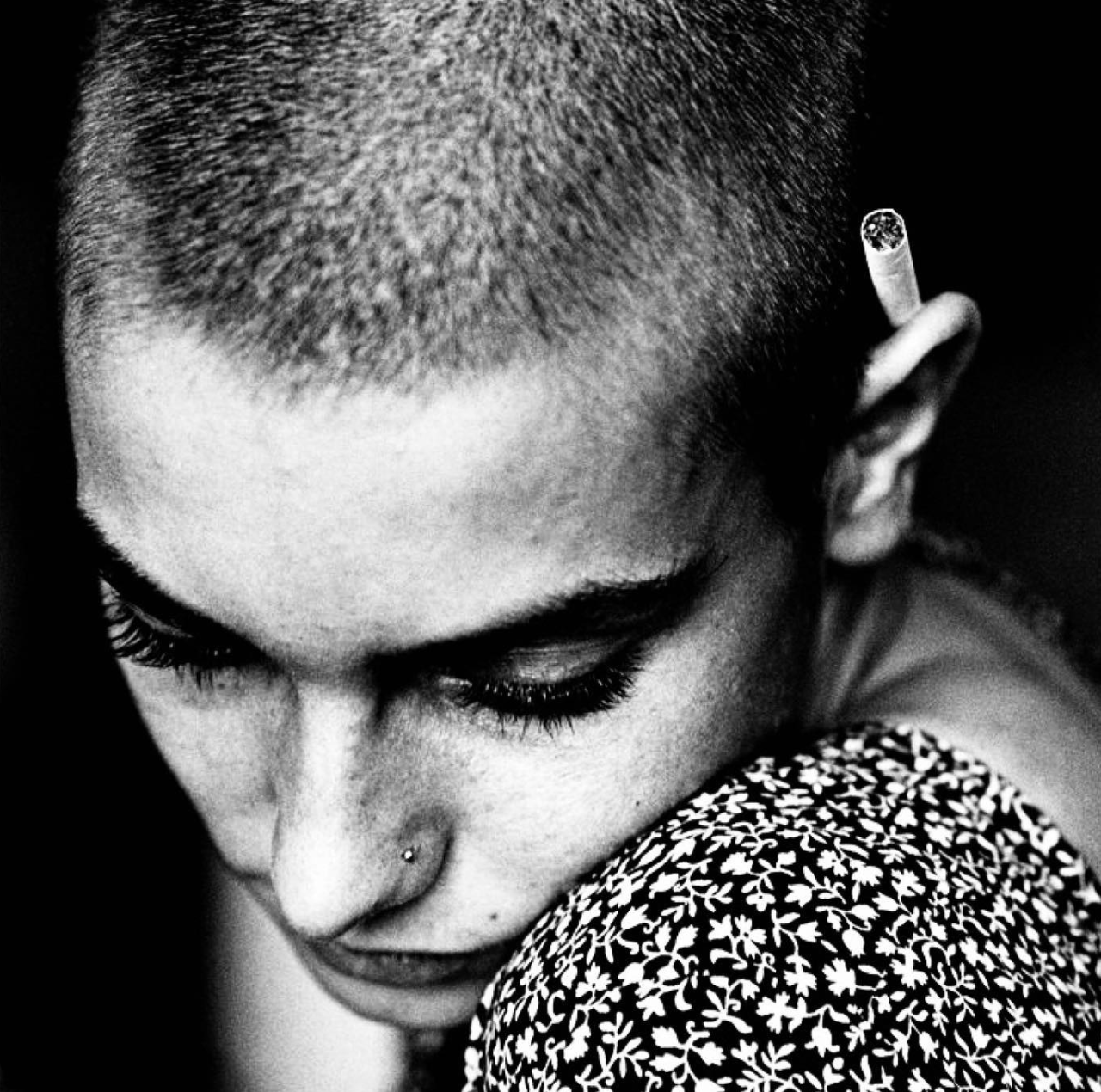
In the past week I have spent a lot of time reading about the life of Sinead O’Connor. I’ve read the tribute posts, I’ve watched the interviews, and I’ve lost count of how many times I have now listened to “Nothing Compares 2 U.”
I am ashamed to say I wasn’t familiar with her voice, both on or off the stage, prior to her death.
In a way I am grateful for that. Had I listened to her even five years ago, my constricted, goodness-obsessed Evangelical heart and mind would have cast judgment on a woman who I, along with so many others, now believe was in fact a prophet.
Most of the tributes I read noted how Sinead tore up a picture of the Pope in a live performance on SNL, “the air went out of the room” was the claim made by those there that night. Sinead prophetically spoke out about the systemic cover ups made by the Catholic Church regarding child sexual abuse and it was a significant milestone in her career; catapulting her into controversial and polarizing waters. People hated her for what she did that night: speaking truth to power always seems to garner that kind of response.
When I watched that performance, I realized immediately that Sinead was a woman who knew her root system. She was Catholic, born and raised. And I knew, as someone also deeply healed and harmed by the institution of the “C”hurch, that this woman, this prophet, knew exactly what she was doing when she tore up that picture of the Pope, challenging all those watching to fight the real “enemy.”
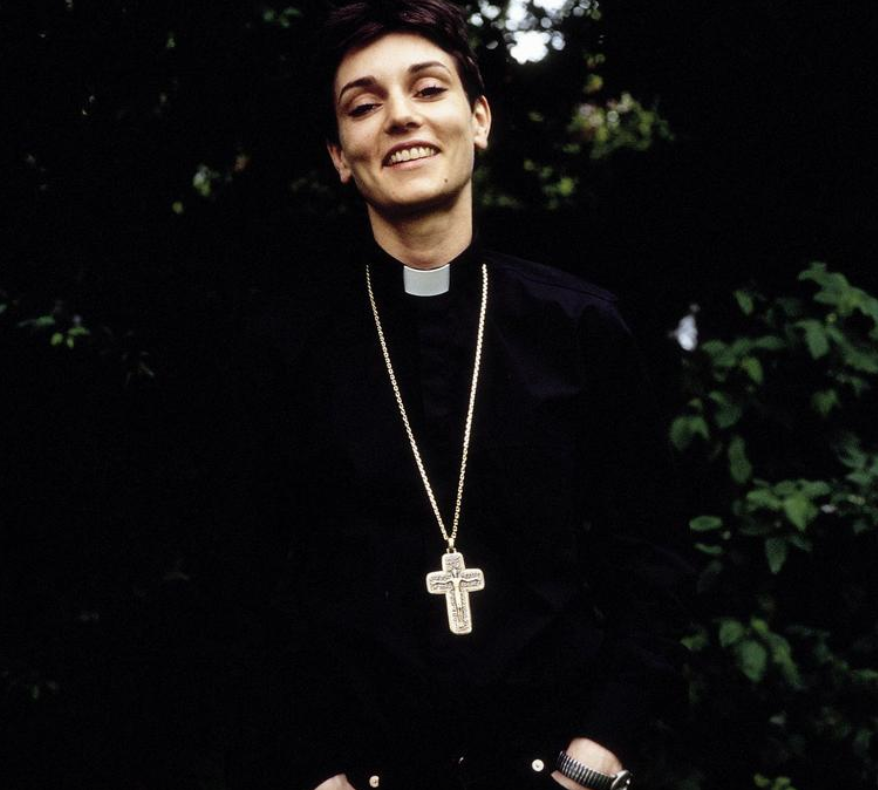
What was interesting about so many of the tributes made to Sinead is everyone was quick to call out this badass, prophetic act on SNL, but, there is a second act to this part of her story that hasn’t gotten as much coverage. Sinead, a few years later, was ordained a priest. Off the record of course, because the institution of the Church still deemed women unfit for ordination (as is still the case in many denominations but that’s neither here nor there). My point in naming this is Sinead was one of those wise souls that could hold paradox. She hated the systemic evils embedded in the Church, yet she refused to give up on it. She held tightly to the beauty and healing power of orthodoxy, of tradition, of the best parts of what the Church still tries to offer to this world today.
Few people can do that. It is much easier, especially these days, to rail against the Church. “Cancel” the church, it’s failures, it’s misgivings, its constant blurred associative lines with power and systemic injustices. Rare do you see someone who can look at all the evils, clear-eyed, unafraid of critique, while also offering to serve it with a heart that remains wide fucking open, in order to keep trying to love it. Help it. And midwife it into something more beautiful, pure, and true.
Sinead was indeed both prophet and priest. A critic and a lover. A constant seeker of the Divine, following those wild breaths of the Spirit wherever they blew. And thanks be to God, she took us with her on that ride.
If you want to see what a lived embodiment of the incarnation of the Spirit of God is, watch her live performance of Nothing Compares 2 U. It is incredible. She brings church to the people in that performance.
Artists, often far better than preachers or theologians, show us what it means to hold the fire of God, of Spirit, in one’s body. Artists embody what it means to become that metaphorical burning bush that is set totally and miraculously ablaze. Sinead offered her whole self to her audience, to her performance, to this world. She let us see her burn. It was her sacramental offering, her declaration of: This is my body, broken for you, watch this, and know it is God.
I read one article from a Jesuit priest who spoke about how in seminary he stumbled upon Sinead’s album called “Theology.” It is a whole work of art dedicated to the book of the Prophets in the Bible. This academically trained, male theologian, said it was this album of Sinead’s that taught him what it meant to actually pray. Her voice, her echoes of the Prophets’ lament, wrecked him to his core. Because of Sinead, he got “it” in a way he never did from his professors or fellow priests.
This is what real prayer or an encounter with the living God does to us. It breaks open our hearts from the here and the now to that which is beyond. And Sinead was that kind of bridge, that kind of breaker; she was an occupier of “thin spaces” as my Anglican, Charismatic self might name it. She was our guide between the worlds of visible and invisible. She showed us what it means to be totally set ablaze.
And there was a cost.
I have my own critiques of Sinead’s life. As do many others. Lots of folks saying she struggled with her own inner demons and lots of other folks saying it was the demons of the industry, of the empires that ultimately broke her. Sinead was a survivor of abuse, she’d buried a child, she knew loss and pain and trauma all too well. On the good days, my guess is it was this pain that fueled the power of her voice and on the bad days, the combination of this pain with her prophetic fire, was likely too much to bear at times.
I have been around the church, charismatic leaders, and creative fire long enough to know few people talk about the muscular skeleture that is required to hold actual fire. You want the alchemical heat of eros; the kind of passionate voice of the prophets, or the creative genius of artists? Then you better damn well learn how to hold that kind of energy or it will kill you. Literally or figuratively. It takes years of intense discipline learning how to wield this kind of creative power so that you do not go setting everything you touch ablaze.
Most of the prophets in the Bible did in fact walk a line of insanity. They went around setting everything on fire. But I think there’s an important shift that happens in the New Testament. Mary, Jesus’ own mother lives into a new kind of example. So does Jesus and Mary Magdalene. All three of these people offered their lives in service to God; they became living vessels to carry that holy fire. They burned, but they did not burn out of control. Both Marys had a steadfastness in them that I think was developed over years of surrender, sifting, sorting, failing and returning. They were set ablaze but always knew how to come home to themselves. Jesus, too. I think it was his carpenter nature, his ability to be extremely patient with time, details, and precision that developed a kind of interior strength that allowed him to hold holy fire in a very human body.
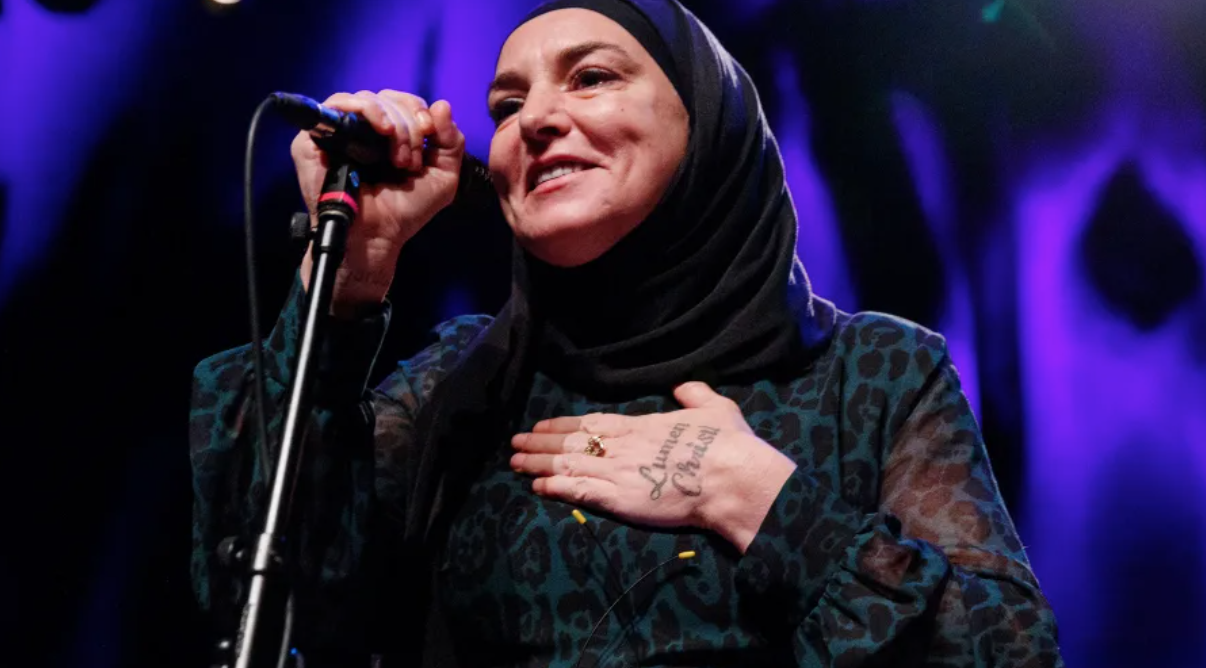
Sinead converted to Islam in the last chapter of her life. She said when she read the Quran for the first time, she knew she was home. And I think she was. I think it was this steadfastness in Sinead, the years of holding that holy fire, failing, and returning, that kept her open to following the curiosities of the Spirit of God inside her, trusting that no matter where this path might take her, it always lead her home. Few preachers, theologians, faith leaders or dare I say “Christians” in general, know how to do this kind of faith-filled following.
Sinead did.
Imperfectly…but so damn faithfully.
Rest in peace and power, dear Sister. Your faithful, fiery, and steadfast spirit lives on.
Women in the Wilderness: A Lenten Reflection on Power and Pain
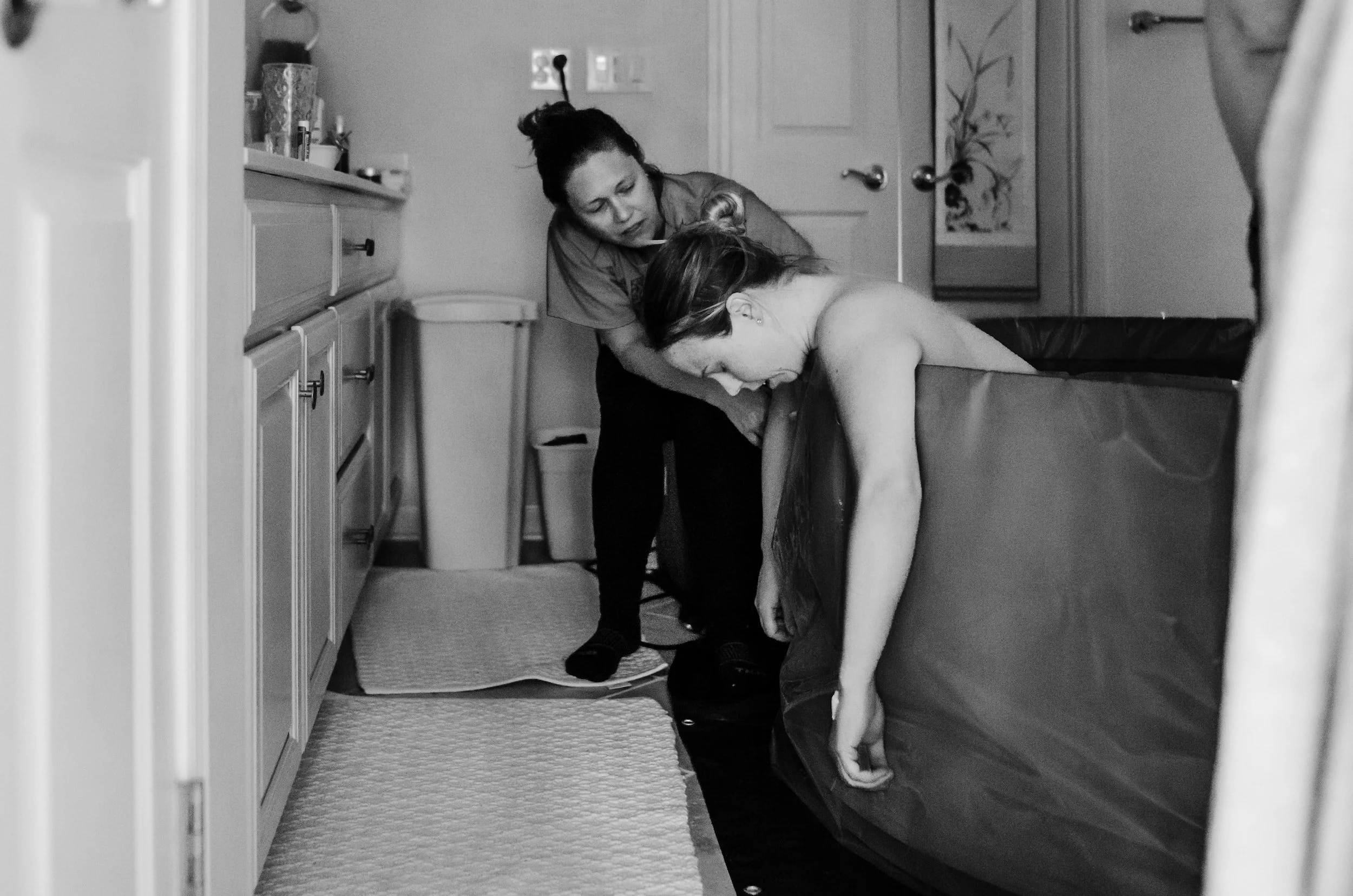
On Sunday I read this reflection as part of a service focused on soul care in our church. In light of International Women’s Day, I thought I’d share it here, in this space, too. This reflection was birthed out of my own life’s journey to discover God in a more feminine way. These words are my own feminine attempt to put form around the topics of power and pain. These words come from my own imagination’s attempt to find more spaciousness in my understanding of who God is and how God comes to us in and through this life, especially and specifically through the metaphor of giving birth.
Read moreDancing and Death
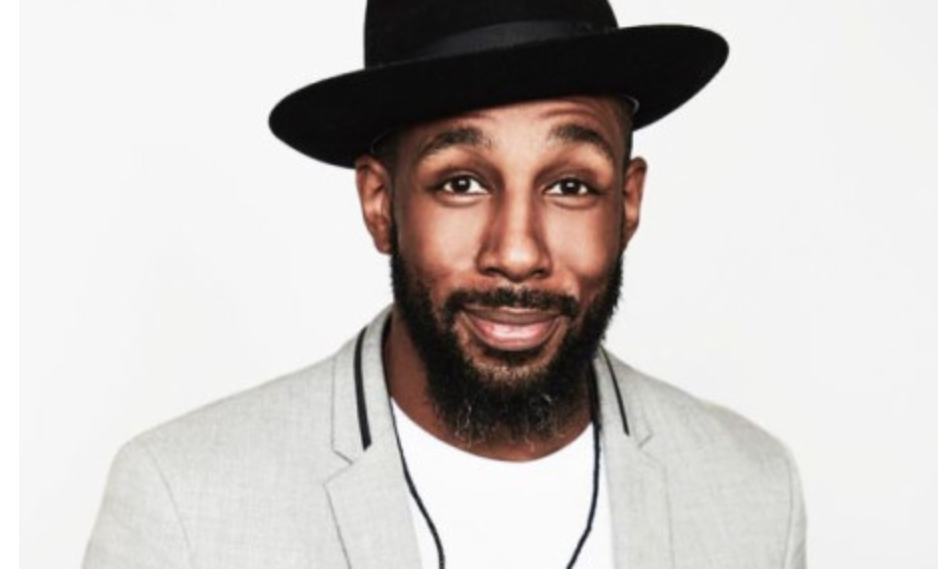
It has been a week since the world learned of the loss of Stephen Boss. Like so many others, the news rocked me. I read tribute after tribute talking about how tWitch was all light.
That's what he did, he brought light with him wherever he went. The kind of light that inspired us to dance, to move, to get out of our heads, and get into our soft animal bodies as Mary Oliver would say.
And so we were shocked at how such a light bearer, such a divine dancer could do the thing Stephen did: choose eternal stillness instead of breath-filled movement. How could someone with so much light get lost in a sea of darkness that made him want to stop swimming to the shore?
I don't pretend to know what Stephen was experiencing in that moment, but what I know for certain, is the idea Tyler Perry touched on when he responded to the news of the loss of Stephen: if you want to bear light in this world, there's a buy in that happens...you buy into the darkness, too.
This is not a popular idea, especially in the world of Christianity, where we are taught, indoctrinated to believe that God, that faith, is all about light. We are taught to move away from the darkness.
But it ain't the full picture. And I think when we get still and quiet within ourselves, when we close our eyes to escape the light, we all know this in our bones.
But if you follow this all consuming, light-chasing, too sanitized thread of Christianity, it will lead you to sources that blind you in goodness, in holiness, in lightness. The sources will tell you that to follow God means always follow the light, these are the sources that are sure to bring life. Darkness is dangerous. Too disorienting.
But what science has taught us is that light is always casting a shadow. Light MUST have a shadow. Darkness has always been a part of the deal of this life. Darkness is always the other side of light. Before there was light, there was darkness, and God called this force good, very good, too.
Christianity and our curated world of light bearing often tells us there's no space for the kind of darkness that can make us want to stop dancing.
But beauty and terror go hand in hand. A constant paradoxical tension inviting us to wrestle with both realities.
Rainer Marie Rilke wrote on this very idea: You, sent out beyond your recall, go to the limits of your longing. Embody me. Flare up like a flame and make big shadows I can move in. Let everything happen to you: beauty and terror. Just keep going, No feeling is final. Don't let yourself lose me.
So many of the response posts to Stephen were to call hotlines if you need help, reach out to friends, check on your strong friends, your light-bearing friends. I read them and they felt well meaning, but also like too easy answers. Too light-infused answers.
When I’ve gotten lost in my own depths, my therapist often tells me to ground myself: say my name out loud, feel my feet on the ground, say my address, my kids’ names, my husband’s name. Remind myself of the tangible life that is in the here and now of this very moment. God is both in the light and in the darkness, she tells me.
My guess is that Stephen gave his life, boldly going into the darkness to bring us all light. A place he surrendered to going into alone. His own soul flame flared up and cast the kind of shadow that caused a sea of people to get up and move with him.
This was holy work Stephen said "yes" to. My own quieted soul tells me he knew the gamble, he knew the cost, and he kept saying “yes” any way.
To those who bring great light into this world and find themselves in a sea of darkness, keep going. Keep exploring, keep plumbing the depths and then come back to us. Come home to us. Keep swimming to that shoreline. If you've gotten lost in the depths, remember there is always a song that will sing you home. Breathe deep, your soft animal body knows its way home. Say your name out loud and sing over your own soul: I belong, both in the light and the dark. God is here.
We need you here, we need both your light and your darkness. We want your whole, embodied self to reflect back to us the full reality of God. Light and dark, good and bad, ordered and disordered; these are all the best parts of you. They reflect the God in you.
To the beautiful Black soul who could make a whole room get up and dance, to the man who's light led others to the light...thank you. You suffered, you labored, you endured a hell of a lot of darkness to bring your light to us. You went bravely into the deepest parts of yourself so that we could know a deeper, freer version of ourselves.
It was a gamble all along you likely willingly said "yes" to. Thank you.
Rest in peace, brother.
Love,
A white girl who can't dance but always felt inclined to get up and move to the beat because of you. You made me feel freer. Your spirit dances on in all of us.
——————-
It has been years since I have posted in this space. I did not expect my first "return" post to be on suicide...but the news of Stephen's death moved my own soul to do the thing I know how to do best: let my fingers dance over this keyboard and get lost to the sound of a beat coming from some deep place far beyond myself. I've missed this place. And if you are reading this, I've missed you, too. Grateful to be back home.
Faith and Friendship
This time of year can be challenging. The holidays can be a time of remembering fractures in relationships. They can be a time of aching for wholeness within our family. We are thankful for what we have yet also mindful of what or who is missing.
Over the past couple of years, God has reminded me over and over again, that while He is my heavenly Father, He is first and foremost my friend. And in seasons where familial brokenness is heightened, the reality that God is my friend brings a lot of hope and healing to my heart.
The reality is, on my own faith journey, it has been my friends who pointed me to Jesus the most. Friends who came onto my path at just the right time.
As a parent, this reality of God as our friend brings freedom and hope to my own heart. It brings freedom and hope to know that my son's faith doesn't hinge on just me or my husband. Are we responsible to do and say and love in a way that reflects God's love? Absolutely, but more than likely, we will have very little to do with the trajectory of our child's faith. Instead, his faith will likely be molded and shaped most by those God puts on his path.
I wrote the following piece a year ago, for a small gathering of women, friends, who gathered in my home to celebrate the birth of my soon to arrive son, Isaac. No biological family was present, just friends. It was my attempt to say "thank you" for their friendship, their encouragement, their random acts of kindness...it was an attempt to say "thank you" for being the hands and feet of the Lord at a time when I didn't have the strength to stand. I reencountered God's love because of their friendships. And today, I remember and am incredibly grateful to get to call God, not just "Father", but also "friend".
—————-
There’s a beautiful story about friendship and faith told in the gospels of Luke and Mark.
The story centers around a paralyzed man and his four friends.
These friends heard Jesus was performing miracles close by to where they lived and they knew if their paralyzed friend ever had a shot at getting healed, this was it; they had to get him in front of Jesus.
There aren’t many details mentioned about this paralyzed man. We don’t know how or what happened to him. All we know is life left him in a place of dependance on others. He could not walk. He could not stand. All he could do was sit and be carried from place to place.
You would think if anyone in this man’s life wanted him to be healed, outside of his own healing wishes, it would be his family: his mom, his dad, his brothers, or sisters, that’s who you would assume would move mountains to get this man in front of a miracle worker.
But in this story, familial ties were not the catalyst for this man’s healing. Instead, it was his friends. Four men, that knew him, knew his story, knew his depression, knew how hurt he was from life sidelining him. These friends knew they didn’t hold the power to heal him, but they knew one who could.
So they went to their friend and then they carried him to the place where Jesus was teaching that day.
The catch was the place was packed out. There was no room for this small group desperately seeking healing for their paralyzed friend.
Many in that situation would have called it a day. They would have stood on the sidelines and watched and listened passively. They would have assumed there was nothing more they could do and conclude they should turn around and carry their friend back home.
But by God’s grace, that is not how the story ends. Instead, these four friends, they refuse to take “no” for an answer. They refuse to let their friend remain in his paralyzed state.
So they rally.
They get creative and they look for ways to be inconvenienced by the situation. They are ready to go the extra mile for this dear soul laying paralyzed on the mat they were carrying.
They decide to get crazy creative. They committed to not go home without their friend getting healed. And then they climbed to the top of the roof and cut out an opening so they could
lower their friend to a place he never would have been able to get to on his own because of his condition: They lowered him in front of Jesus.
At the sight of all this, I think Jesus’ breath was taken away. He pauses from his teaching. He acknowledges this bold and daring act. Mark 2:5 says when Jesus saw the faith of these friends, he said to the paralyzed man, “Son, your sins are forgiven.” And then he told the man to get up, take his mat, and go home.
What I love about this story is it is all about friendship. It was not the paralyzed man’s unshakable faith that healed him; instead, it was the faith of his friends who said: We refuse to let our friend stay where he is. We are getting him help, and we know that help will only come from the hands of Jesus.
When Jesus, says “Son, your sins are forgiven,” I think he touched a very tender part of this paralyzed man’s story. Because it was not the hands of this man’s mother, father, or family members who carried him that day. So when Jesus called him “Son”, I think He was speaking into something profoundly broken about this man’s story. I think Jesus knew the reality and the hurt that came from the fact this man was being carried by individuals who had no familial attachment to him.
So when Jesus saw the sight, he was moved to action. He was moved to intervention. He was moved to heal this paralyzed man and forever change the trajectory of his story.
What most of you know is my family is pretty broken. I’ve historically played the role as the parent in these familial relationships. It is a dynamic I’ve come to love, embrace, and be grateful for. But when the bottom fell out of my own life this year, I found myself looking around for family support, but the reality was, there wasn’t much.
A deep place of grief was activated by the miscarriages. Old wounds were opened that I had tucked away over the years. And the emotions that came from being hit by this tidal wave of grief left me paralyzed in many ways.
I wanted to get up, bounce back, and to land on my feet. I wanted healing and wholeness but the reality was I was stuck. My faith was evaporating. I knew God was real but in this particular season, I didn’t know how to get to Him.
And that’s where you all come in. The heart behind wanting to gather with you today was to say “thank you”. Thank you for your encouragement. Thank you for your prayers. Thank you for your support. You have been a light in the darkness in my story. You have pointed me to Jesus. You have pointed me to hope. And you, just like the friends in this gospel story, carried me to the feet of Jesus. And it is because of your own faith and kindness, your own intercession on my behalf, that we are able to celebrate today.
This precious life growing within me medically was not supposed to happen. The odds were against us from the beginning. But God. He is merciful. I think He heard your prayers, your whispers of encouragement, and He did a thing only He could do. Because God knows, I had no words of faith or prayer after the losses. I was barely hanging on.
So thank you. Thank you for being here today. Thank you for coming to celebrate. Thank you for taking the time out of your holiday schedules to gather and to rally on our behalf. Thank you for your support.
I’ll never be able to properly convey the gratitude in my heart for each one of you but just know my understanding of friendship has forever been changed because of the way you’ve loved me and this sweet boy growing inside me.
You’ve taught me the power of prayer, actions, and words. You’ve taught me the importance of random texts, phone calls, door knocks, food, coffee dates, and relentless encouragement. You’ve taught me that friendship can carry people to the feet of Jesus. You’ve reminded me that miracles do happen; that love can come from so many different avenues; that friendships are a powerful, powerful thing. You’ve taught my heart to see fullness where there has historically been a lack. And you’ve been a light in a very dark season.
We love you. We are thankful for you. And we are so darn grateful to call you friends.
———
If calling God "Father" feels particularly painful this season, may you have the courage to remember Him as, "Friend", instead.
Is God Real?
Is God really real?
It is a question I think we all wrestle with at some point in our lives.
Our souls, our bodies, our minds ache for a narrative that brings order out of the chaos of life.
Some people turn to science. Some people believe life is nothing more than a series of coincidences. Some people turn their backs on belief in God because life for them has been too chaotic, how could God possibly be real? Some turn to facts and history. And then some people turn to a fundamentalist kind of faith; everything is black and white. There is no room for chaos and confusion in their system of belief. These folks turn off their brains and forget to think critically about the words they are reading in the bible and the words they consume from those behind a pulpit.
Read moreHow do you know God loves you?

It's a question I've been asking a lot these days.
The amount this question has come up makes me excited. I am excited because people want to know how to know God loves them.
But there is another side to this question that breaks my heart; because if Christians, people who grew up in and are actively involved in church are asking this question, it means that something has failed. Many Christians carry an intellectual understanding of God's love: scriptures can be recited, theology can be regurgitated, but what does it mean to me, to you, personally, when someone tells me the classic John 3:16 verse: For God so loved the world, that whoever believes in him should not perish but have eternal life.
Read more